












The Paradox That's Unraveling a Nation
Belarus faces a demographic paradox that nobody talks about openly. The country is getting younger—more young people than ever before. And simultaneously, it's disappearing.
The total fertility rate in Belarus stands at 1.38 children per woman. To maintain a stable population, the replacement rate needs to be 2.15. This means that every generation is smaller than the one before it. The math is brutal: in 50 years, without immigration, the working-age population will have shrunk dramatically. The young people who should be building the future instead find themselves unable to imagine one.
In Minsk and across regional Belarus, the pattern is the same: young professionals delay marriage. Married couples delay having children. Those who do have children often stop at one, not because they don't want more, but because something fundamental has broken inside them. It's not economics alone—though economic factors matter. It's a crisis of meaning.
Young Belarusians are asking themselves questions their parents never had to ask: "What's the point? For what am I having a child? What future am I bringing them into? What purpose would their life have?" And they're finding no satisfying answers.
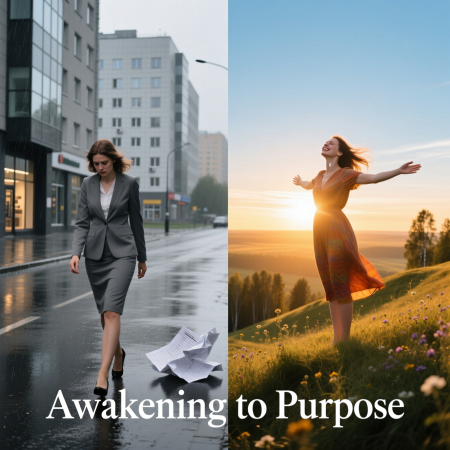
The Real Crisis: When Obligation Replaces Purpose
Here's what most policy discussions miss: the fertility crisis isn't caused by lack of resources. It's caused by the collapse of meaning. Young Belarusians feel they "should" have children because that's what society expects. But they don't feel they "want" to have children because they're connected to genuine purpose.
This distinction matters neurologically. When you do something because you "should," your brain operates under stress. Your nervous system is in a mild threat state—you're doing the obligatory thing, resentfully. When you do something because you authentically "want" to, because it aligns with your genuine values and vision, your entire neurobiology shifts. You're not just more likely to do it; you do it with energy, joy, and commitment.
Young Belarusians have been taught the language of obligation their entire lives: "You should study hard." "You should have a good career." "You should get married." "You should have children." "You should be happy." But nobody taught them to ask: "What do I genuinely care about? What impact do I want to have? What life would make me feel like my existence matters?"
The result is a generation that knows all the "shoulds" but has no sense of authentic "wants." And they're refusing—quietly, individually, but systematically—to have children for reasons they can't quite articulate. It's not rebellion. It's a recognition, at some level, that bringing new life into the world without genuine purpose feels irresponsible.
The Confession of a Generation
Listen to what young Belarusians actually say when you ask them about having children:
"I don't know if I have anything meaningful to pass on."
"I'm not sure my life has enough purpose to expand it to another person."
"I feel like I'm just existing, not really living. How could I ask someone else to do that?"
"Everything feels like I'm supposed to do it, but nothing feels like I actually want it."
"I'm afraid I'd resent a child for interrupting what little autonomy I have."
These aren't statements about money or housing or healthcare. These are statements about existential emptiness. Young people are refusing to perpetuate a way of living that feels devoid of meaning.
Psychology research confirms this. When people approach a new decade of life (ages 29, 39, 49), they instinctively search for meaning. They ask themselves: "Is my life purposeful? Am I living authentically?" For millennials and Gen Z, this meaning search is especially acute. And the honest answer many are finding is: "No. I don't feel like my life has genuine purpose."
When someone concludes that their own life lacks authentic meaning, they're unlikely to create new life.
Exercise #8: "Super Goal Redefinition"—Finding Purpose That Actually Matters
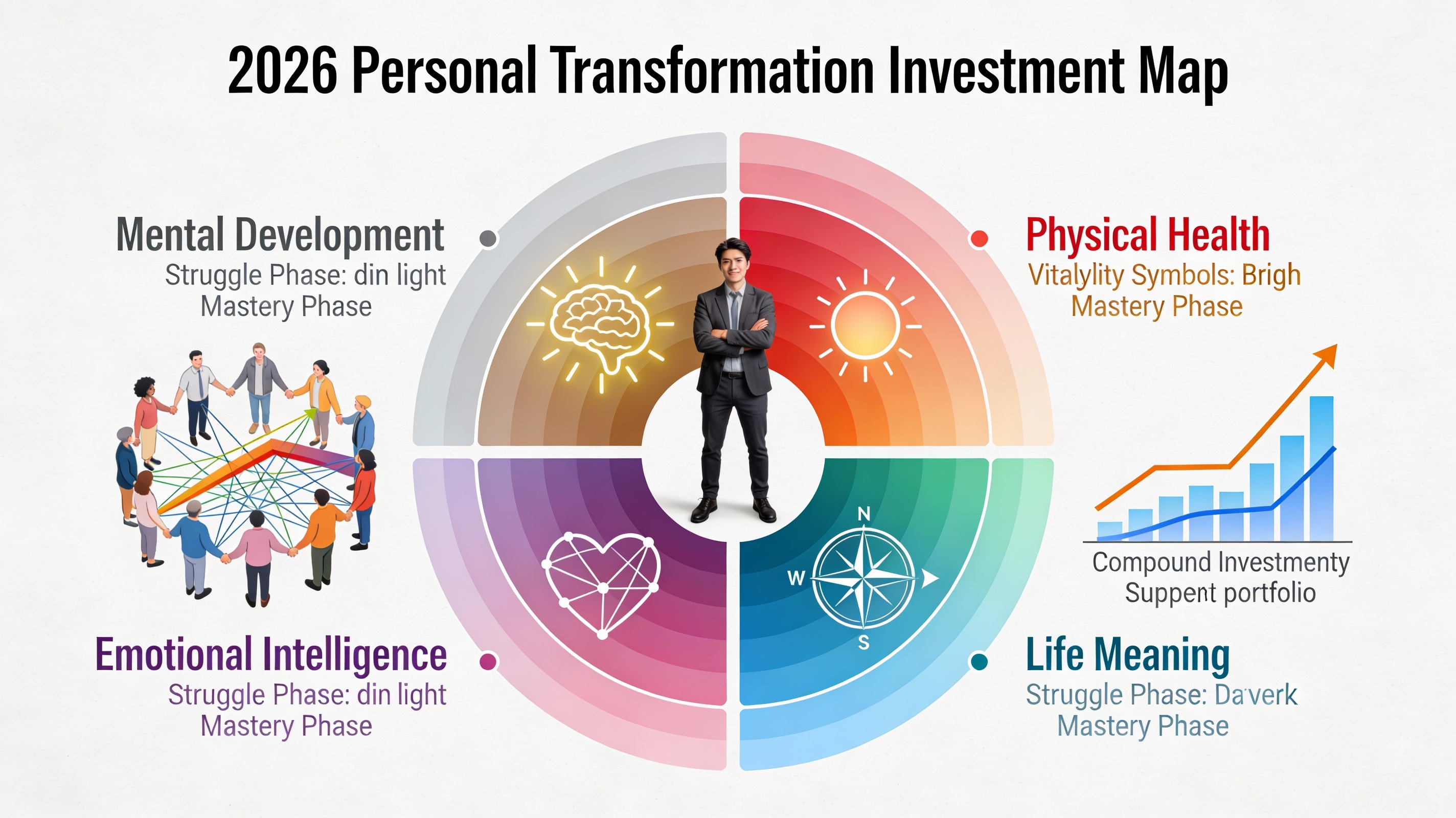
This is where Super Jump's Exercise #8—"Super Goal Redefinition" becomes revolutionary for Belarusian young people.
This exercise addresses the core problem: the distinction between what you "should" want and what you authentically "want."
Most people spend their entire lives pursuing goals they inherited—from parents, from culture, from education systems. These are genuinely important goals, but they're not their goals. The result is a life of checking boxes while feeling increasingly hollow.
Exercise #8 teaches you to systematically distinguish between:
Obligatory Goals (the "shoulds"): "I should have a successful career," "I should be married," "I should have children," "I should be happy."
Authentic Goals (the genuine "wants"): The contributions you actually care about making. The impact that would make you feel like your existence matters. The life that would make you feel genuinely alive.
The exercise works like this:
You begin by writing down all the goals you think you should have. Then you systematically ask of each one: "If nobody would ever know I did this, would I still care? Does this align with what genuinely matters to me, or does it align with what I think I'm supposed to want?"
This is often deeply uncomfortable. Many people realize that the career they've been building doesn't actually matter to them. The relationship status they were pursuing doesn't authentically appeal to them. The lifestyle they've been working toward doesn't actually excite them.
But this discomfort is where transformation begins.
From this clarity, you then reconstruct your life around authentic goals—not selfish goals, but genuine ones. And here's what happens: when you align your daily actions with authentic purpose, everything shifts.
If you genuinely believe that raising conscious, thoughtful, connected humans would contribute to making the world better—that becomes an authentic goal. You might then choose to have children, not because you "should," but because you authentically want to. And this shifts everything: your energy toward parenthood is different. Your commitment is different. Your willingness to sacrifice for your children is different.
Or you might discover that your authentic contribution involves something else entirely—professional work, creative work, community work, spiritual work. And that's equally valid. The point isn't to convince young Belarusians to have children. The point is to help them reconnect with authentic purpose, so that whatever they choose—including whether to have children—comes from genuine alignment, not obligation.
Real Stories: Young Belarusians Who Reclaimed Meaning
Consider Dasha, 28, from Minsk. University degree in psychology. Career progressing. But feeling increasingly empty. She'd been in a long-term relationship, and her partner was asking about marriage and children. She felt nothing but dread.
She engaged with Super Jump's methodology and worked through Exercise #8. What she discovered: she'd been pursuing a conventional life path because it was expected. But her authentic passion was working with young people on purpose and meaning—helping them avoid the decades of emptiness she'd experienced.
She realized that having children didn't authentically appeal to her right now. But building a career helping others find meaning absolutely did. She communicated this honestly with her partner. He was initially disappointed, but then understood. Together, they decided to postpone children and focus on their meaningful work.
Six months later, Dasha felt genuinely alive for the first time in years. Her energy transformed. Her relationships deepened. She felt like her existence mattered. And interestingly, once she stopped doing things out of obligation, once she reconnected with authentic purpose, her relationship with her partner actually improved—because she was no longer resentful. She was genuinely present.
Consider also Andrei and Katya, both 31, from Gomel. Married four years. Pressure mounting from both families to have children. Both felt deeply ambivalent—they cared about each other, but the idea of children triggered anxiety rather than excitement.
They completed Super Jump's 10-day intensive together and worked through the meaning redefinition process. What emerged: they both recognized that they'd been trying to live the life they thought they should live, not the life they authentically wanted.
Through the exercise, they discovered something unexpected: they both genuinely cared about building community, about creating spaces where people could be authentic and supported. Having children suddenly felt like a natural extension of this purpose—not as obligation, but as possibility. They wanted to raise thoughtful humans who would also care about building community.
Over the next year, they made the decision to have a child. And what was striking: they approached parenthood not as something they "should" do, but as something aligned with their deepest values. The energy was completely different.
Now Andrei and Katya are part of Intellect Club Online, where they continue developing their purpose and connecting with other couples navigating similar questions about meaning, family, and impact.
The Demographic Solution That Actually Works
Belarus's demographic crisis won't be solved by government incentives for having more children. You can't incentivize authentic meaning. You can't subsidize purpose. The only solution is to help young Belarusians reconnect with what genuinely matters to them.
When young people feel their lives have authentic meaning—whether that involves having children or not—something shifts. They stop deferring life. They stop waiting for perfect circumstances. They start making commitments based on what they actually care about.
Some will choose to have children—multiple children—because they authentically believe raising conscious humans is a meaningful contribution. Others will choose different paths—creative work, community building, spiritual development, professional impact. Both are valid. Both can be deeply meaningful.
The key is that these choices come from genuine alignment, not obligation.
Super Jump's 10-day intensive is designed specifically for this transformation. Young Belarusians learn to distinguish authentic purpose from inherited obligation. They reconnect with what genuinely excites them. They rebuild their lives around authentic goals.
After completing the intensive, participants join Intellect Club Online, where they connect with others doing the same work. This community is critical—it breaks the isolation that young Belarusians often feel when questioning conventional life paths.
The Invitation: From "Should" to "Want"
If you're reading this and you're a young Belarusian asking yourself "Should I have children?" the wrong question has already trapped you. The right question is: "What do I genuinely care about? What contribution do I want to make? How do I want to spend my one precious life?"
Answer these questions honestly. Align your life around the genuine answers. Then, from that authentic place, decide about children. Some of you will decide yes. Some will decide no. Both decisions, made from authentic purpose rather than obligation, will be right.
Begin today. Complete Super Jump's 10-day intensive. Work through Exercise #8—Super Goal Redefinition. Discover what you genuinely care about. Then build your life—including decisions about family—around authentic purpose.
Join Intellect Club Online to connect with others navigating the same search for meaning. Practice Anti-Stress and Energy Meditations to calm your nervous system as you make major life decisions. Connect with Saturday Laughter Practice Sessions (message: LAUGH) to build community with others on this path.
For Belarus's Future
The demographic crisis isn't ultimately a statistical problem. It's a meaning crisis. Young Belarusians aren't refusing to have children because they're selfish or materialistic. They're refusing because they don't feel like their own lives have genuine purpose, and they rightly sense that expanding life into another human while feeling hollow isn't right.
The solution isn't to convince more people to have more children. It's to help an entire generation reconnect with what genuinely matters. Some will choose parenthood as their authentic contribution. Others will choose different paths. The critical thing is that these choices come from genuine alignment, not inherited obligation.
When young Belarusians feel their lives have authentic meaning, the demographic picture will change—not through coercion, but through renewed commitment to what genuinely matters.
Your generation holds Belarus's future. Not through the number of children you have, but through the depth of purpose you embrace.
That journey begins now.
Methodology: Super Jump (World Association)
This material is prepared as an informational description of professional practice. Super Jump is an educational methodology and is not a substitute for medical or psychotherapeutic treatment.